Transparency: credits, license and team

Licenses & Credits

This project uses official open datasets and free tools under public licenses to support reproducible, ethical, and open-source analysis of environmental and infrastructural risk in Brazil.

Source datasets from institutions like INMET, IBGE, MapBiomas, the Transparency Portal, and S2ID are governed by Creative Commons Attribution 3.0 Unported (CC BY 3.0).

All processed data and visual mashups produced within the OpenDataFlood project are shared under the Creative Commons Attribution 4.0 International (CC BY 4.0) license.

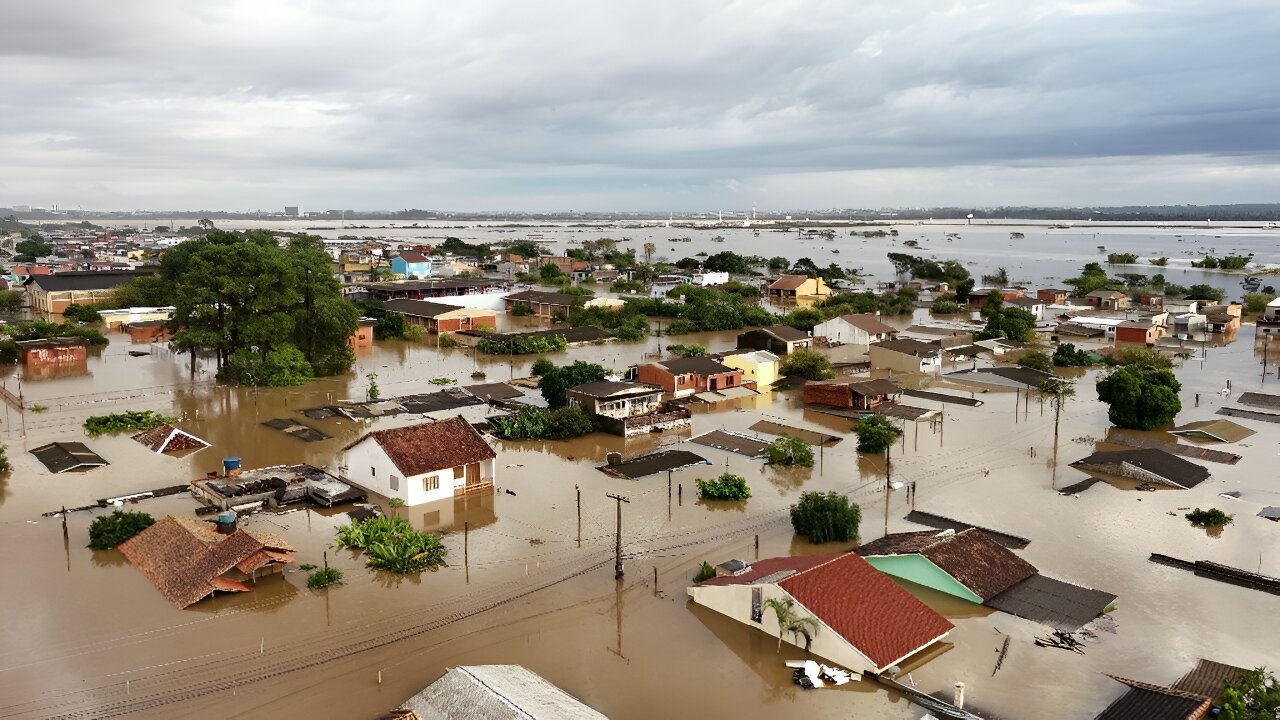
Banner images and other visuals are sourced from Wikimedia Commons under open licenses, with proper attribution where required.

Icons are from the ET-Line collection included in the Brando template package and used under its standard licensing terms.

The site uses the Brando HTML5 template by ThemeZaa, originally distributed under commercial license.

Interactive data visualizations were created using:

  • Leaflet.js – BSD 2-Clause License
  • Plotly.js and Plotly Express – MIT License
  • Flourish – proprietary online platform, free academic use

Data processing and analysis relied on open-source Python libraries such as:

  • pandas, geopandas, shapely, pathlib, os – BSD/MIT Licenses
  • networkX – BSD License
  • KNIME – GNU General Public License (GPL v3)

All preprocessing and transformations are documented in the project repository to ensure transparency and reusability.

All the information in available in Open Data Floods GitHub repository Consult the documentation
Repository
Team


Carla Menegat
Carla has a PhD in History and is persuing a Master Degree in Digital Humanities and Digital Knowledge at Unibo and Professor at Instituto Federal Sul-Riograndense. She works with Digital History and Human Rights projects and, she's from Rio Grande do Sul.
Catalina Salguero
Catalina is a Colombian art historian and cultural manager. A UX/UI design specialist, she is currently pursuing a master’s degree in Digital Humanities, exploring how technology can be used to preserve, research, and share cultural heritage in an accessible way.
Rubens Fernandes Jr
Rubens is a Brazilian geography professor and a geoprocessing technician. He is currently pursuing a master's degree in Digital Humanities at UNIBO, aligning all his interests in the education, humanities and technology fields.